- Roofing in Palm Bay: Ensuring Your Home’s Resilience in Florida’s Varied Climate
Your home represents a significant investment, and in Palm Bay, Florida, where weather conditions can be capricious, your roof serves as a vital protector. This article delves into the world of roofing Palm Bay, exploring the region’s unique climate challenges, examining popular roofing materials, and providing essential insights for homeowners.
Navigating Palm Bay’s Roofing Challenges
Palm Bay, situated on Florida’s eastern coast, experiences a subtropical climate characterized by hot and humid summers, frequent thunderstorms, and the ever-present hurricane threat. These environmental factors necessitate robust roofing solutions that can withstand the area’s distinctive challenges.
Popular Roofing Materials
Asphalt Shingles: Asphalt shingles are a prevalent choice among Palm Bay homeowners due to their cost-effectiveness and adaptability. They can endure the intense heat and UV exposure common in Florida’s climate. However, it’s worth noting that they may require more frequent replacement compared to other materials.
Metal Roofing: Metal roofs have gained popularity in Palm Bay due to their durability, energy efficiency, and resilience in the face of high winds and heavy rain. Additionally, metal roofing materials reflect sunlight, assisting in maintaining a cooler indoor environment during the scorching summer months.
Tile Roofing: Tile roofs provide a unique aesthetic appeal and are often seen in Mediterranean-style architecture, prevalent in Palm Bay. While they can withstand heat and heavy rainfall, tile roofs may be susceptible to damage from falling branches during storms.
Weather-Related Challenges
Hurricanes: Palm Bay frequently faces hurricanes, which bring strong winds and torrential rain capable of causing significant roof damage. Protecting your home involves investing in hurricane-resistant roofing materials and ensuring their proper installation.
Heavy Rainfall: Given Florida’s significant rainfall, effective drainage systems are essential to prevent water damage. Clogged gutters and improperly sloped roofs can lead to water pooling and roof leaks.
UV Exposure: The intense Florida sun can hasten the deterioration of roofing materials, particularly asphalt shingles. Regular roof inspections and maintenance are vital to ensure your roof can withstand UV exposure.
Roof Maintenance and Repairs
Preserving the longevity of your roof in Palm Bay requires regular maintenance. Here are some crucial steps to consider:
Inspections: Regularly inspect your roof for signs of damage, such as missing shingles, cracked tiles, or deteriorating flashing. Promptly addressing these issues can prevent further deterioration.
Clean Gutters: Maintain clean gutters to facilitate proper water drainage. Clogged gutters can lead to water damage and roof leaks.
Tree Maintenance: Palm Bay’s lush vegetation can pose a risk during storms. Pruning branches that could potentially fall onto your roof and cause damage is a wise precaution.
Professional Roofing Services: Consider hiring a professional roofing contractor for annual inspections and repairs. Their expertise is invaluable in identifying and resolving potential issues before they escalate.
Roofing in Palm Bay transcends mere shelter; it’s about safeguarding your investment against the backdrop of a unique climate and weather challenges. Whether you choose asphalt shingles, metal roofing, or tile roofing, maintaining your roof through regular inspections and timely repairs is essential. By understanding and proactively addressing these challenges, Palm Bay homeowners can ensure their homes remain secure and comfortable, thanks to a resilient and enduring roof.
- Roofing in Palm Bay: Navigating the Elements for a Secure Home
Roofing Palm Bay, Florida, is more than just covering your home; it’s about providing a shield against the region’s unpredictable weather. This article delves into the world of roofing in Palm Bay, exploring the unique challenges posed by its climate, popular roofing materials, and essential considerations for homeowners.
Palm Bay’s Distinct Roofing Challenges
Nestled on Florida’s eastern coast, Palm Bay is subjected to a subtropical climate characterized by sweltering summers, frequent thunderstorms, and the looming threat of hurricanes. These weather conditions underscore the importance of resilient roofing solutions that can withstand the local environment.
Popular Roofing Materials
Asphalt Shingles: Asphalt shingles are a common choice for Palm Bay homeowners due to their cost-effectiveness and adaptability. They can endure the heat and intense UV exposure typical of Florida’s climate. However, they may require more frequent replacements compared to other materials.
Metal Roofing: Metal roofs have gained popularity in Palm Bay for their durability, energy efficiency, and ability to withstand high winds and heavy rain. Additionally, metal roofing materials reflect sunlight, helping to maintain a cooler indoor temperature during the scorching summer months.
Tile Roofing: Tile roofs offer a unique aesthetic and are well-suited to the Mediterranean-style architecture often found in Palm Bay. While they can withstand heat and heavy rainfall, tile roofs may be vulnerable to damage from falling branches during storms.
Weather-Related Challenges
Hurricanes: Palm Bay faces the annual hurricane season, and the strong winds and torrential rain associated with these storms can wreak havoc on roofs. To protect your home, it’s essential to invest in hurricane-resistant roofing materials and ensure proper installation.
Heavy Rainfall: Florida’s significant rainfall emphasizes the importance of effective drainage systems to prevent water damage. Clogged gutters and improper roof slopes can lead to water pooling and roof leaks.
UV Exposure: The intense Florida sun can accelerate the deterioration of roofing materials, especially asphalt shingles. Regular roof inspections and maintenance are vital to ensure your roof can withstand UV exposure.
Roof Maintenance and Repairs
Regular maintenance is key to extending your roof’s lifespan in Palm Bay. Here are some essential maintenance steps:
Inspections: Conduct routine roof inspections to spot signs of damage, such as missing shingles, cracked tiles, or deteriorating flashing. Timely addressing of these issues can prevent further deterioration.
Clean Gutters: Maintain clean gutters to ensure unobstructed water drainage. Clogged gutters can lead to water damage and roof leaks.
Tree Maintenance: Palm Bay’s lush vegetation can pose a risk to your roof during storms. Trim branches that could potentially fall onto your roof and cause damage.
Professional Roofing Services: Consider hiring a professional roofing contractor for annual inspections and repairs. Their expertise is invaluable in identifying and resolving potential issues before they escalate.
Conclusion
Roofing in Palm Bay is a critical aspect of homeownership due to the region’s unique climate and weather challenges. Whether you choose asphalt shingles, metal roofing, or tile roofing, proper maintenance and timely repairs are essential to protect your investment and ensure your home remains a safe and comfortable haven. By understanding the challenges and taking proactive measures, Palm Bay homeowners can enjoy the peace of mind that comes with a resilient and long-lasting roof.
- Things To Consider About Your Roof
If you are a homeowner, you probably know how important it is maintain your roof inspected throughout the year. Unfortunately, many people neglect this task for one reason or another. However, roof maintenance is a necessity if you want to keep your home protected. The following article will teach you everything you need to know about proper roofing Palm Bay.
Think about your own safety first. You should always assess the situation thoroughly before you begin any roofing repair job. This is because rushing up to fix your roof as soon as you notice a problem could result in a serious accident. For instance, you should never try to fix a roof when it is raining or extremely windy outside for obvious reasons.
Never try to repair a roof in the rain or snow. Climbing onto a roof when the weather is poor could result in injury or even death. Instead, do your best to contain the leak from inside your home with tarps and buckets, and wait until the weather improves before climbing on to the roof.
Do not ask your roofer to work on your gutters. This is not their area of expertise and they are likely to mess up. Therefore, simply focus on having them do your roof, and if your gutters need to be replaced as a result, find someone to do that job that specializes in it.
If your home needs a new roof but you are short on funds, consider the relatively inexpensive composite shingle. This type of shingle is rated from 15 to 25 years, and the more you pay the longer the life of the shingle. Consider how long you will own your home before you invest in a new roof.
It’s not easy to choose between roofing contractors, but asking for a list of references can be a huge help. Any company which refuses to provide such a list is not one which you want to hire. Don’t just ask for the list, though, be sure to call a few people on it to double check their experiences.
If you are doing your own roofing job, make sure to practice proper ergonomics. Roofing involves carrying tools up and down ladders onto the roof. Carry only what is comfortable for you. Bend from your knees and lift with your legs. Always be aware of how your back is bent, when actually installing the roofing materials.
If you have a general handyman that does work in and around your home, do not allow him to do anything to your roof. Fixing a roof requires a high level of experience and know-how. This is why you would be better off hiring someone that specializes in this type of work.
Always read the fine print, and make sure that you fully understand everything before signing any contracts with a roofing contractor. An honest contractor will want you to fully understand the terms and conditions, while being happy to answer any questions for you. If the contractor does not do this, find yourself a new one.
As you select your roofer, look into how long he has been engaged in this kind of work. Those who’ve been around for years must have satisfied customers. A company that hasn’t been in operation for too long may very well be run by scammers who will take your money and run.
Do not hire the first roofer that you talk to. The only way to get the best deal is to talk to several different people and see what your options are. In general, five bids is a good number. Any less than that, and you are probably selling yourself short.
Architectural shingles are another great alternative roofing material. Such shingles look better than typical shingles and also last longer. Buyers love these shingles, so they can even add value when you choose to sell your house.
Having read the article above, you hopefully now have a better understanding of how important roofing maintenance is. Make sure to use the tips and tricks mentioned above to ensure that your roof is always in good condition. Not only will it keep your home safe, it will save you a lot of money in the long run.
- The Landscape of Boca Raton, FL: A Masterpiece of Nature and Design
Boca Raton, FL — In the sun-drenched expanse of South Florida, Boca Raton stands as a beacon of landscaping excellence, where the art of cultivating and designing natural spaces reaches new heights. Known for its upscale lifestyle and architectural elegance, Boca Raton is equally celebrated for its lush, innovative landscapes. This coastal gem skillfully intertwines the luxuriance of nature with the sophistication of urban design, making landscaping Boca Raton an integral aspect of the city’s identity.
Boca Raton’s Landscaping: A Blend of Flora and Craftsmanship
The landscaping in Boca Raton is characterized by a rich fusion of tropical and subtropical plant varieties. The city’s favorable climate nurtures a diverse array of flora, allowing for creative landscaping that combines both aesthetics and functionality. Majestic palm trees, exotic flowering plants, and meticulously manicured lawns are commonplace, creating serene and picturesque environments across the city. These landscapes serve not just as beautiful backdrops but also as vital components of Boca Raton’s ecological and social fabric.
Sustainable Practices in Modern Landscaping
In recent years, Boca Raton has embraced a greener approach to landscaping. Water conservation techniques like xeriscaping are increasingly prevalent, reflecting the city’s dedication to sustainable living. The incorporation of native plants is another key trend, which not only reduces maintenance but also supports local biodiversity. This shift towards eco-friendly landscaping reflects a broader awareness of environmental issues and a commitment to creating harmonious, sustainable outdoor spaces.
The Rise of Professional Landscaping Services
As the demand for exceptional landscaping grows, so does the prominence of professional landscaping services in Boca Raton. These specialists offer a broad spectrum of services, from basic lawn maintenance to complex landscape design and installation. Their expertise is crucial in selecting the right plants and design elements that thrive in Boca Raton’s unique climate, ensuring that each project is both beautiful and resilient.
Overcoming Landscaping Challenges
Landscaping in Boca Raton is not without its challenges. The humid climate can foster conditions conducive to pests and diseases, which can affect plant health and aesthetics. Local landscaping professionals employ advanced techniques such as integrated pest management, soil health improvement, and the use of disease-resistant plant varieties to combat these issues effectively, ensuring the longevity and vibrancy of Boca Raton’s landscapes.
Community Involvement: Shaping Boca Raton’s Green Spaces
Boca Raton’s landscaping efforts are bolstered by active community involvement. The city encourages residents to participate in sustainable landscaping through various initiatives, workshops, and community gardening programs. These efforts not only enhance the beauty of individual homes and neighborhoods but also foster a shared sense of responsibility and pride in the city’s natural environment.
Landscaping as a Lifestyle Statement
In Boca Raton, a well-landscaped property is more than just an aesthetic choice; it is a statement of lifestyle. The city’s public parks, private gardens, and street landscaping reflect a culture that values elegance, quality, and a harmonious relationship with nature. These spaces are not just visually appealing but are also spaces for relaxation, recreation, and community connection, enhancing the quality of life for all residents.
Conclusion: Boca Raton’s Landscape Legacy
The landscape of Boca Raton stands as a testament to the city’s commitment to beauty, sustainability, and community well-being. Each garden, park, and greenway is not only a visual treat but also plays a crucial role in defining the city’s character. Boca Raton’s dedication to maintaining and enhancing its natural surroundings has cemented its status as a verdant, vibrant community, making it a shining example of how urban spaces can flourish in harmony with nature.
- Landscaping in Boca Raton: Crafting Green Spaces in a Floridian Paradise
Boca Raton, FL — In the lush landscapes of South Florida, Boca Raton stands out as a city where landscaping is elevated to an art form. Known for its luxurious lifestyle and exquisite architecture, this coastal city also boasts some of the most impressive and innovative landscaping designs in the region. Here, landscaping Boca Raton is not just a practice but a pivotal element of the city’s identity, marrying natural beauty with urban sophistication.
The Essence of Boca Raton’s Landscaping
The approach to landscaping in Boca Raton is distinctive, combining elements of tropical and subtropical flora. The city’s favorable climate supports a diverse range of plant life, allowing for creative and varied landscaping designs. From majestic palms lining the avenues to vibrant floral arrangements adorning the private and public gardens, Boca Raton’s landscapes are a testament to the city’s love for lush, green spaces.
Landscaping Trends in Boca Raton
Recent trends in Boca Raton have seen a shift towards sustainable and eco-friendly landscaping practices. Xeriscaping, which involves creating landscapes that reduce or eliminate the need for irrigation, is becoming increasingly popular. This is particularly significant in a region where water conservation is essential. Additionally, there is a growing emphasis on using native plants, which are adapted to the local climate and require less maintenance, further supporting the city’s environmental conservation efforts.
Professional Landscaping Services
In response to the high demand for landscaping services, Boca Raton is home to numerous professionals who specialize in various aspects of landscape design, maintenance, and horticulture. These experts bring a wealth of knowledge about local soil types, climate conditions, and plant varieties, ensuring that the landscapes they create are not only beautiful but also sustainable.
Overcoming Landscaping Challenges
Landscaping in Boca Raton does come with its unique set of challenges. The humid climate can lead to issues such as pest infestations and plant diseases. However, local landscaping professionals are adept at managing these challenges, employing techniques like integrated pest management and choosing disease-resistant plant varieties to maintain the health and beauty of the gardens.
Community Involvement and Green Initiatives
The community in Boca Raton plays a significant role in the city’s landscaping ethos. The city encourages residents to engage in sustainable landscaping practices and organizes workshops and programs on eco-friendly gardening techniques. This community involvement not only enhances the city’s green spaces but also fosters a sense of pride and stewardship among its residents.
Landscaping as a Lifestyle
In Boca Raton, landscaping goes beyond mere aesthetics; it is a lifestyle. The well-manicured lawns, lush public parks, and vibrant gardens reflect the city’s culture of luxury, beauty, and an appreciation for the finer things in life.
Conclusion: A Green Haven in South Florida
Boca Raton’s approach to landscaping represents a harmonious blend of nature and urban living. The city’s commitment to creating and maintaining beautiful, sustainable landscapes is evident in every corner, from residential areas to public parks. In Boca Raton, every green space is a celebration of nature, contributing to the city’s reputation as a green haven in the heart of South Florida.
- Landscaping in Boca Raton, FL: A Blend of Nature and Elegance
Boca Raton, FL — Nestled in the heart of Palm Beach County, Boca Raton stands as a beacon of beauty and sophistication. This Floridian city is not only known for its affluent lifestyle and architectural marvels but also for its exceptional approach to landscaping. In Boca Raton, landscaping is not just about maintaining lush green lawns; it’s about creating an oasis that reflects the city’s unique charm and the residents’ refined tastes.
The Essence of Boca Raton’s Landscaping
Boca Raton’s landscape is characterized by a harmonious blend of tropical and subtropical elements, with an emphasis on creating spaces that are both beautiful and functional. The city’s balmy climate allows for a diverse range of flora to thrive, from majestic palm trees to vibrant flower beds, making it a paradise for landscaping Boca Raton enthusiasts.
Design Trends: Elegance Meets Sustainability
Recent trends in Boca Raton’s landscaping focus on sustainable and eco-friendly practices. Homeowners and businesses alike are adopting xeriscaping to reduce water usage, incorporating native plants that require less maintenance and are more resistant to local pests and diseases. There’s also a growing trend towards creating outdoor living spaces, complete with kitchens and fire pits, blurring the lines between indoor comfort and outdoor beauty.
Professional Touch: Landscaping Services in Boca Raton
The demand for professional landscaping services in Boca Raton has soared, with experts offering a range of services from basic lawn care to elaborate garden designs. These professionals are adept at understanding the unique soil and climatic conditions of the region, ensuring that the landscapes they create are not only aesthetically pleasing but also sustainable.
Challenges and Solutions
Despite the idyllic setting, landscaping in Boca Raton is not without its challenges. The humid climate can lead to pest infestations and fungal diseases. Landscaping professionals in the area are skilled at tackling these issues, often using integrated pest management techniques and choosing disease-resistant plant varieties.
Community Involvement: Green Initiatives
Boca Raton shows a strong community involvement in landscaping and environmental conservation. The city organizes various programs and workshops to educate residents about sustainable landscaping practices and the importance of native vegetation. This community spirit is a testament to the city’s commitment to preserving its natural beauty.
A Reflection of Lifestyle and Luxury
In Boca Raton, landscaping is more than just an aesthetic practice; it is a lifestyle. The lush, well-maintained gardens and public spaces reflect the city’s luxurious lifestyle and its residents’ appreciation for beauty and quality.
Conclusion: A Verdant Paradise
Boca Raton’s approach to landscaping is a perfect example of how urban spaces can coexist with nature in harmony. The city’s landscapes are not just pleasing to the eye; they are a testament to the residents’ respect for the environment and their commitment to preserving the natural beauty of their surroundings. In Boca Raton, each garden, park, and green space is a piece of art, contributing to the city’s reputation as a verdant paradise.
- At-Home Ring Fit Fixes: What Actually Works (and What I’ve Seen Go Wrong)
I’ve spent more than a decade working at a jewelry bench, and I usually bring up at-home ring fit fixes (Statement Collective guide) early in conversations with clients who are frustrated by a ring that suddenly feels loose. Weight changes, seasonal swelling, or inheriting a ring that was never sized for your hand all lead to the same moment: that uneasy feeling when a ring spins or threatens to slide off. Before anyone jumps straight to resizing, there are a few realities worth understanding from someone who’s seen the results—good and bad.
One of my earliest lessons came from a client who stopped by repeatedly over the course of a few months. Her ring fit perfectly in winter, then felt risky by late spring. She didn’t want it resized because she’d already experienced that cycle once before. We experimented with temporary fixes instead, and watching how her ring behaved over time taught me more than any textbook ever could. Finger size isn’t fixed, and treating it as if it is often leads to unnecessary damage.
The most practical short-term solution I’ve seen succeed is a removable ring adjuster. I’ve worn one myself during long days at trade shows where my hands changed size between morning setup and evening teardown. For plain bands or rings worn occasionally, they provide stability without altering the metal. The mistake people make is leaving them on indefinitely. I’ve cleaned rings where moisture and residue built up underneath the adjuster, dulling the finish and irritating the skin. Used thoughtfully, they’re helpful; used carelessly, they create a different problem.
Another fix people ask about is applying a thin coating—often nail polish or a similar product—to the inside of the band. I’ve tested this method on my own rings during fittings, and it can reduce slippage for a short period. What tends to go wrong is impatience. Thick layers crack quickly, feel uneven, and peel at the worst possible moment. For smooth bands, careful application can buy you a few weeks. For rings with engraving or sharp inner edges, it’s usually more trouble than it’s worth.
What I’m firmly against is bending or squeezing a ring at home. I’ve lost count of how many rings I’ve had to correct after someone tried to “gently” tighten it with a household tool. Metal doesn’t behave intuitively. A ring can look round while internal stress builds, leading to weakened settings or stones that loosen later. I remember a customer last year whose ring didn’t fail immediately—it happened weeks later, when a stone shifted during normal wear. The original problem was minor; the fix became complicated.
Something people without bench experience often miss is balance. A ring can technically be the right size and still spin constantly. Top-heavy designs behave differently, especially on tapered fingers. I’ve had clients convinced their ring was too large when the real issue was weight distribution. No at-home fix can change that. Recognizing when a ring needs professional adjustment versus a temporary stabilizer is half the battle.
From my perspective, at-home fixes are tools, not solutions. They’re useful for testing, for transitional periods, or for rings you don’t wear daily. They’re not substitutes for proper resizing, especially for pieces with stones, sentimental value, or structural complexity. I’ve learned to respect how much trust people place in these small objects—and how easily that trust can be broken by a rushed decision.
A ring that fits well fades into the background of your day. You’re not twisting it, checking it, or worrying about it. That’s always been my benchmark. If an at-home fix gets you closer to that feeling temporarily, it has value. Knowing when to stop is what keeps that value from turning into regret.
- What Moving Homes in Dorchester Taught Me About Doing It Properly
- Generative Engine Optimization vs Traditional SEO: What’s Different Now
- 3D Laser Scanning in Colorado Springs CO: What I Verify Before Anyone Commits to the Model
- What Years of Roofing Repair in Walterhill Have Taught Me About Fixing Issues Before They Spread
- What Years in the Field Taught Me About Water Line Repair in Marietta
- What I See Behind the Panels on Murfreesboro Homes
After more than a decade working as an exterior contractor in Rutherford County, I’ve handled my share of siding repair murfreesboro tn homes that looked fine from the curb and told a very different story once the panels came off. I’m licensed for residential exterior work in Tennessee, and most of my days are spent fixing problems that started small—often years earlier—when someone ignored a loose seam or a soft corner because it didn’t seem urgent.
I remember one house on the north side of town where the homeowner called me about a faint musty smell indoors. From the outside, the siding looked intact except for a slight bow near the back wall. Once we removed a few panels, we found moisture trapped behind improperly overlapped vinyl. The insulation was damp, and the sheathing had begun to soften, but the framing was still solid. That repair cost a fraction of what it would have if they’d waited another season. Jobs like that reinforce my belief that siding repair isn’t cosmetic—it’s preventative.
In my experience, Murfreesboro’s climate is rough on siding in quiet ways. We get long stretches of humidity, sudden downpours, and enough temperature swings to stress fasteners and seams. Vinyl expands more than people expect. Fiber cement holds up well, but only if the edges were sealed correctly during installation. Engineered wood looks great until moisture reaches the lower edges, where rot starts slowly and spreads upward. Each material fails differently, and knowing those patterns matters when deciding whether a repair will actually last.
One mistake I see repeatedly is homeowners patching visible damage without addressing why it happened. A cracked panel near a downspout, for example, is rarely just impact damage. I’ve opened walls where the real issue was poor drainage dumping water behind the siding every time it rained. Replacing the panel alone just hides the problem. I don’t recommend repairs unless the water path is corrected first, even if that means a little more work upfront.
Another job that stuck with me involved a home where the siding had been installed too close to the ground. The bottom courses looked worn but not terrible. Once we removed them, the backsides were saturated, and the lower wall had begun to decay. That kind of damage doesn’t happen overnight. It’s the result of years of contact with moisture that siding was never meant to handle. Adjusting clearances and replacing only the affected sections saved that homeowner several thousand dollars compared to a full tear-off.
I’ve also learned that not every house needs all-new siding, despite what some sales pitches suggest. I’ve advised against full replacement more times than I can count. If most of the siding is sound and the installation was done correctly, targeted repair is often the smarter move. On the flip side, I’ve told homeowners not to waste money repairing panels that are failing system-wide due to age or improper installation. Experience gives you a feel for when repairs are buying time versus throwing good money after bad.
One of the more frustrating trends I see is overreliance on caulk. Sealant has a role, but it’s not a cure-all. If a joint keeps opening or a panel won’t sit flat, something behind it is moving. Adding more caulk just traps moisture or delays the inevitable. I’ve been called in after homeowners recaulked the same area multiple times, only to find rot spreading underneath.
Siding repair in this area also means understanding how walls meet roofs, decks, and windows. I’ve found missing or poorly installed flashing behind trim more often than I should. A customer last spring had interior paint bubbling near a window, and the siding looked untouched. The problem turned out to be flashing that was never installed. Water had been entering the wall cavity for years, quietly doing damage. The siding repair involved more than panels—it required rebuilding the barrier that should have been there from day one.
What I try to impress on homeowners is that siding is part of a system. It works with flashing, house wrap, and drainage to keep water moving out and away. When one part fails, the others compensate until they can’t anymore. By the time damage is obvious, the issue has usually been present for a while.
After years in this trade, I’ve stopped looking at siding as just an exterior finish. It’s a working layer that protects everything behind it. The best repairs I’ve done are the ones where the house ends up better protected than before, not just better looking. Those jobs don’t always draw attention, but they’re the ones that hold up through the next storm season without surprises.
- Between Limestone and Open Water: A Working Skipper’s View on Yacht Charter in Malta
After more than ten years working as a commercial skipper and charter operations lead in the central Mediterranean, yacht charter Malta is a phrase I’ve learned to interpret carefully. Most people picture calm water, dramatic cliffs, and an easygoing cruise. What they don’t always see is how compact, active, and unforgiving these waters can be if the charter is approached casually. Malta rewards experience and planning far more than impulse.
I first ran yachts here while completing my commercial sea time, alternating between private charters and fleet deliveries. Malta stood out immediately. Distances are short, but conditions shift quickly. I remember one early charter where a group assumed we could “decide as we go” each morning. By the second day, shifting winds and heavy traffic near Valletta forced us to rethink half the plan. Once we slowed down and stopped trying to tick off locations, the charter improved overnight.
From a professional standpoint, I often caution clients against overestimating what they can comfortably cover. I once managed a week-long charter where the guests insisted on daily relocations, despite my advice. The yacht spent more time maneuvering and refueling than resting at anchor. On the final evening, we stayed put in a quiet bay near Gozo, cooked onboard, and swam until dusk. That single, unhurried night ended up being what they talked about most.
Malta’s harbors are another area where experience matters. The Grand Harbour is stunning, but it’s also busy and technical. I’ve personally taken the helm from confident guests who underestimated ferry traffic or wake patterns. Nothing dramatic happened, but those moments are stressful and unnecessary. This is why I usually recommend a crewed charter here, even for capable sailors. A local skipper isn’t a luxury; they’re risk management.
Yacht selection also trips people up. Bigger isn’t always better in Maltese waters. A few seasons ago, a couple chose a larger motor yacht thinking it would feel smoother and more comfortable. Instead, the deeper draft limited our anchoring options, and we skipped several calm, shallow spots that would’ve suited them perfectly. I’ve found that layout, draft, and fuel efficiency matter far more here than sheer size.
Timing plays a role that brochures tend to gloss over. High summer brings energy, but also congestion. In late spring or early autumn, the water is calmer, anchorages breathe, and marina life feels less rushed. One autumn charter stands out clearly in my mind. The guests expected a quieter version of summer and got something better: warm water, steady conditions, and evenings that felt unhurried instead of transactional.
Provisioning is another quiet pitfall. Malta has excellent food culture, but marina-side shopping isn’t designed for extended cruising. Early in my career, I underestimated this and ended up improvising meals after long days at sea. These days, I plan provisions carefully or arrange deliveries ahead of time. Hunger changes the mood on a yacht faster than weather ever will.
What Malta offers isn’t scale; it’s density. Working ports, ancient stone harbors, and clear swimming water exist within minutes of each other. I’ve anchored within sight of centuries-old fortifications while modern ferries moved past in the distance. It’s a unique mix that feels alive rather than curated.
Most mistakes I see aren’t catastrophic. They’re small: rushed itineraries, ignoring wind direction, assuming every bay behaves the same overnight. Over time, I’ve learned that the best charters here come from restraint. Choose a yacht that fits the plan, not the fantasy. Leave space in the schedule. Let conditions guide decisions.
I still enjoy running charters in Malta myself, which probably says more than any recommendation could. These waters don’t perform on demand. They respond to patience, awareness, and respect. When those are present, the experience tends to unfold quietly and naturally, without needing to be forced.
- The Quiet Clues Most Garage Doors Give Away
Garage Door Repair Parker has been my trade for more than ten years, and most of what I fix never starts as a full breakdown. I’m a licensed garage door technician, and in my experience, doors in this area usually fail slowly and quietly before they stop working altogether. Homeowners often call only after the door refuses to open, but the warning signs were usually there weeks or months earlier.
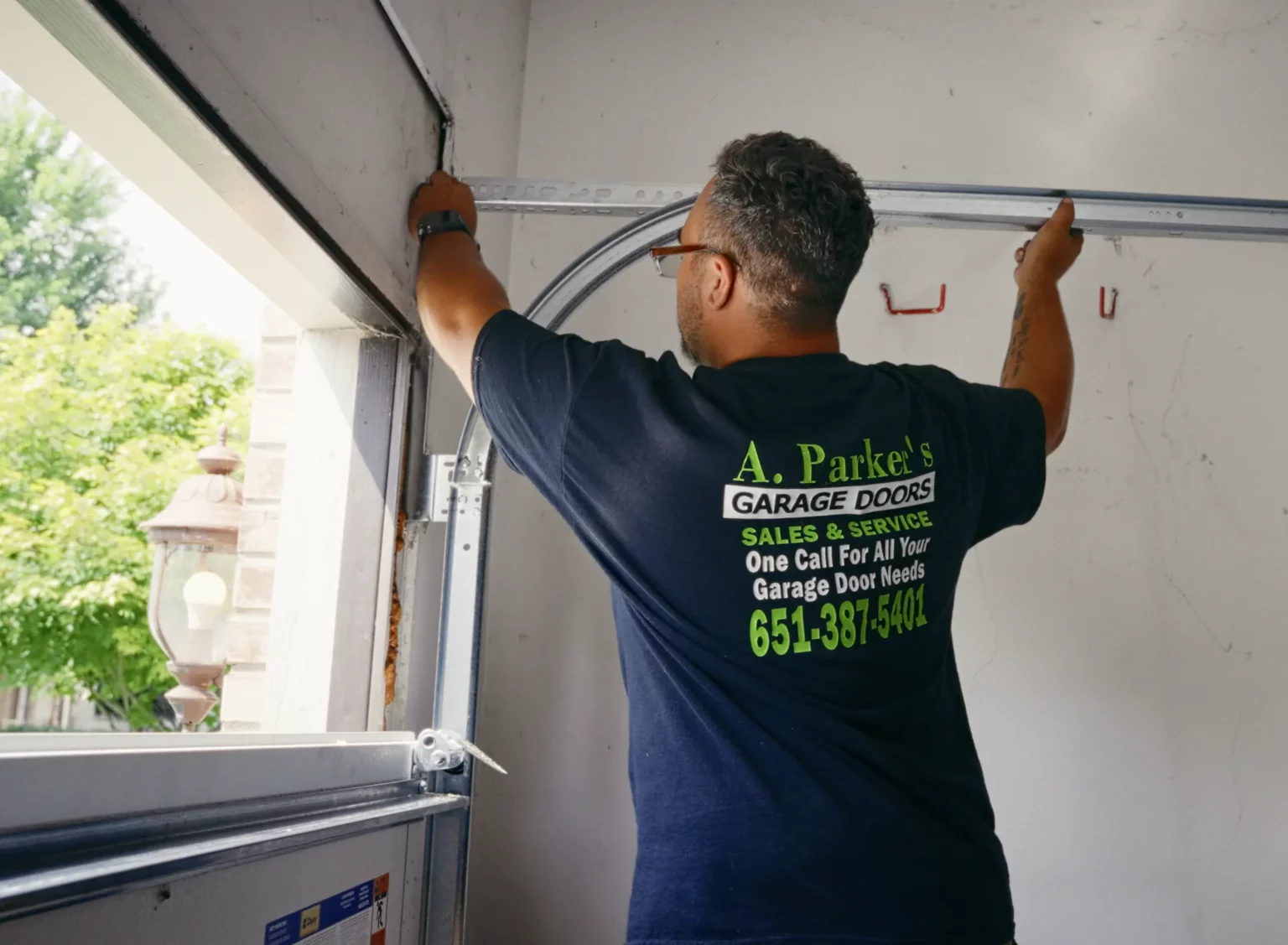 I remember a call from a homeowner last summer who said his garage door had started “hesitating.” It would open fine in the morning but struggle in the evening. Another company had suggested replacing the opener because it was a few years old. When I disengaged the motor and lifted the door by hand, it felt heavier on one side. The issue wasn’t the opener at all—it was uneven spring tension combined with a cable that had stretched slightly. Once the springs were balanced and the cable reset properly, the door moved smoothly again. The opener never needed more than a minor limit adjustment.
One thing Parker homeowners don’t always account for is how much dust and temperature fluctuation affect moving parts. I’ve serviced doors that were mechanically sound but noisy and erratic simply because the rollers and hinges had been running dry for years. A customer last fall thought his door was about to collapse because of a loud popping noise. The panels were fine. The track was straight. The noise came from worn steel rollers reacting to cold mornings. Replacing them with nylon rollers and servicing the hinges changed how the door sounded and moved almost immediately.
A mistake I see repeatedly is assuming a crooked door means a bent track. Tracks do get damaged, but more often the real problem is a cable starting to fail. Cables rarely snap without warning. They fray, rust, or lose tension little by little. I once worked on a door that had been lifting unevenly for months. The homeowner kept forcing it open with the opener, which eventually twisted the top panel. Fixing the cable early would have been simple. Waiting turned it into a panel reinforcement job.
I’m also cautious about recommending full door replacements. Some older doors around Parker are heavier and less stylish, but they’re built from thicker materials and hold up well over time. If the panels are straight and the frame is solid, repairing the hardware usually makes more sense than starting over. That said, I don’t hesitate to advise against keeping outdated openers that struggle to reverse or have unreliable sensors. A door that doesn’t stop when it should is more than an inconvenience.
DIY repairs are another area where good intentions often backfire. I’ve walked into garages where springs were partially wound, set screws barely tightened, or makeshift tools were used in place of proper winding bars. One homeowner told me he stopped mid-repair because the spring made a sound that “didn’t feel right.” He made the right call. The spring tension was uneven, and continuing would have risked serious injury. Some parts of a garage door system don’t leave room for trial and error.
After years of handling Garage Door Repair Parker jobs, I’ve learned to trust the small signs: changes in sound, slower movement, or a door that won’t stay put when lifted halfway. Those details usually point to mechanical issues long before anything breaks outright. Addressing them early keeps repairs straightforward and garage doors doing what they’re meant to do—open and close reliably, without drama.
- Prioritizing Wellbeing Through Comprehensive Security Measures
York University is deeply committed to fostering a secure and inclusive environment for all its students, faculty, and staff. The university’s approach to campus security is multifaceted, integrating a range of services, technologies, and community engagement strategies to promote overall York University safety. A central element of this is the Community Safety Department, which operates 24/7. Their highly trained personnel conduct regular patrols—on foot, in vehicles, and on bicycles—to maintain a visible and responsive presence across the campuses. This dedication to proactive patrolling is key to addressing potential issues before they escalate and is a foundational pillar of the comprehensive York University safety strategy.
The Role of Technology in Campus Protection
Modern security relies heavily on technology, and York University has leveraged this to enhance its security infrastructure, further strengthening York University safety. One critical tool is the YorkU Safety App (also referred to as SAFERTOGETHER or SafeZone), which provides students and staff with one-stop access to essential safety resources. This app allows users to call security directly, access the goSAFE escort service, and receive immediate campus-wide emergency alerts via push notifications. Furthermore, the campus utilizes an extensive network of Closed-Circuit Television (CCTV) cameras strategically placed across exterior points and common areas, including residence halls, to monitor activity and assist in investigations. This blend of accessible mobile technology and robust physical surveillance technology significantly contributes to York University safety.
Essential Support Services for Students
The university offers several specialized programs designed to support students and enhance their personal York University safety, particularly during evening and overnight hours. The popular goSAFE service is a free, on-demand escort service where staff walk community members to and from any location on campus. This includes residences, academic buildings, and even transit stops, ensuring no one has to walk alone after dark. In addition to physical escorts, Security Services personnel are available around the clock to provide 24-hour first aid response for individuals experiencing illness or injury. These services demonstrate a commitment to both security and immediate well-being, reinforcing the dedication to York University safety beyond crime prevention.
Residence Security and Personal Responsibility
Living in residence brings unique security considerations, and York University implements specific protocols to ensure a safe living environment while emphasizing the role of individual responsibility in upholding York University safety. Undergraduate residences often utilize specialized security personnel during the night hours, focusing on access control and verifying identification at entry points to prevent unauthorized access. Technical measures like alarmed perimeter doors and CCTV monitoring further deter security breaches. Students are consistently reminded through safety campaigns and residence policies about the importance of simple, yet crucial, actions: never prop open exterior doors, always lock room doors, and report any suspicious activity immediately to security staff. This partnership between the university’s robust security measures and active student participation is vital for collective York University safety.
Transparency and Community Engagement
A key aspect of building a trusting and safe campus community is transparency regarding security incidents. York University’s Community Safety Department publishes Weekly Security Incident Logs (WSIL), providing the community with statistics and details on service requests and incidents reported to or identified by Security Services staff. This commitment to openness allows the university to track trends and adapt its security response. Beyond reporting, the university engages in proactive community initiatives, such as the Community Safety Council and the Community Safety Strategic Plan, to collaborate with students, faculty, and staff. They also offer training and resources focused on topics like crisis de-escalation, mental health first aid, and sexual violence response, which form a holistic framework for promoting York University safety and well-being. This ongoing dialogue and transparent reporting help ensure that security measures are informed by, and responsive to, the needs of the diverse campus population.
Handling Emergencies and Non-Urgent Concerns
Knowing the correct protocol in an emergency is paramount to ensuring personal York University safety. While students should always call local emergency services (like 911 in Canada) for life-threatening situations, the university’s Security Control Centre operates 24/7 to receive and dispatch calls for service, including urgent situations that are not life-threatening. The YorkU Safety App can connect users directly to the campus emergency team with a geo-located alert. For non-urgent matters, such as noise complaints or general security questions, specific non-emergency lines and the app’s help desk feature are available. Additionally, personnel trained in first aid and mental health first aid are part of the initial response team, ensuring a comprehensive and compassionate approach to incident management, which is central to maintaining York University safety. The university’s detailed procedures cover everything from maintenance and repairs to handling lost and found items, all contributing to a consistently high standard of campus security.